

Updatetime:2025-02-08Views:476
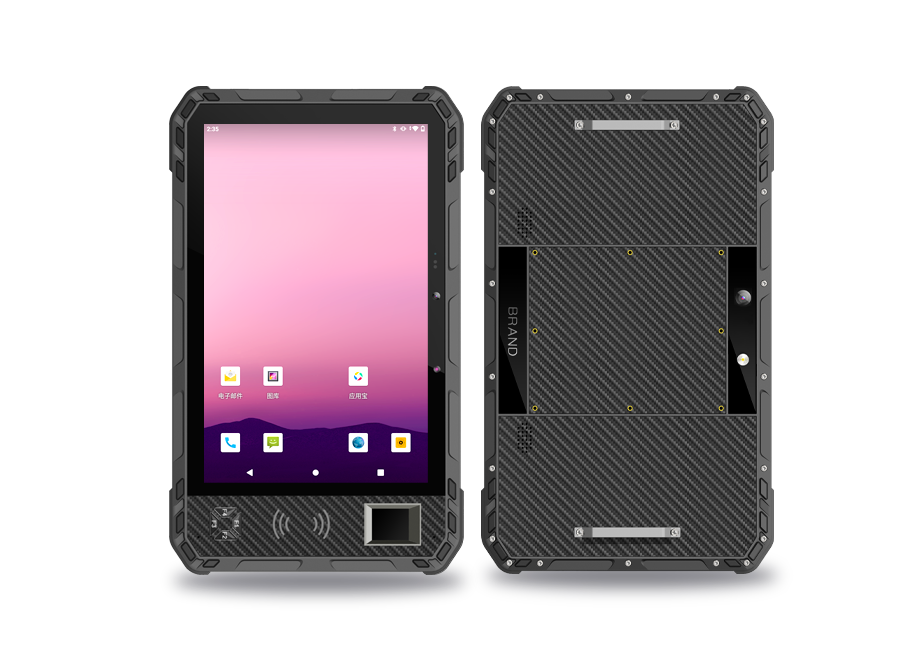
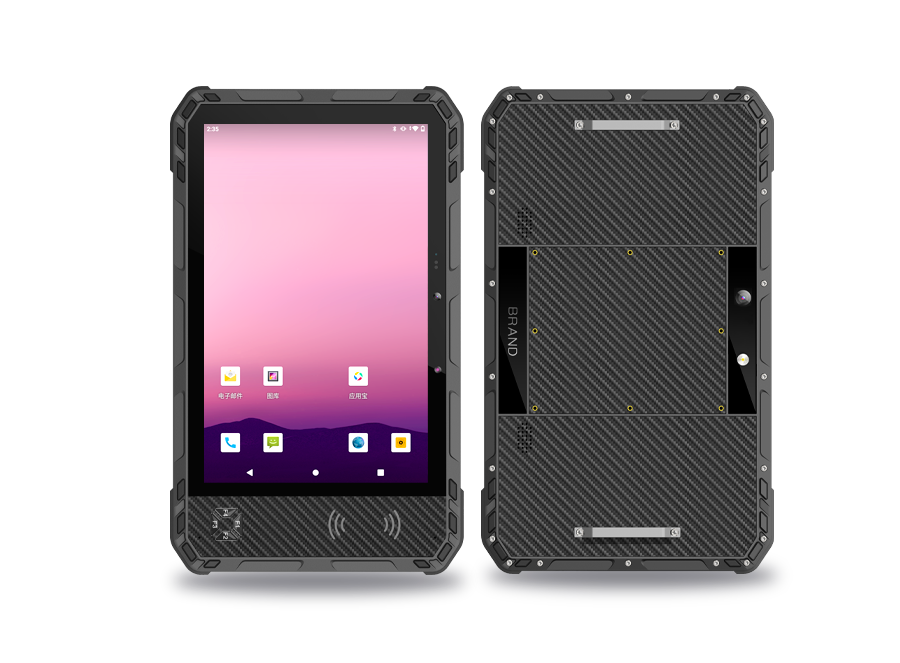
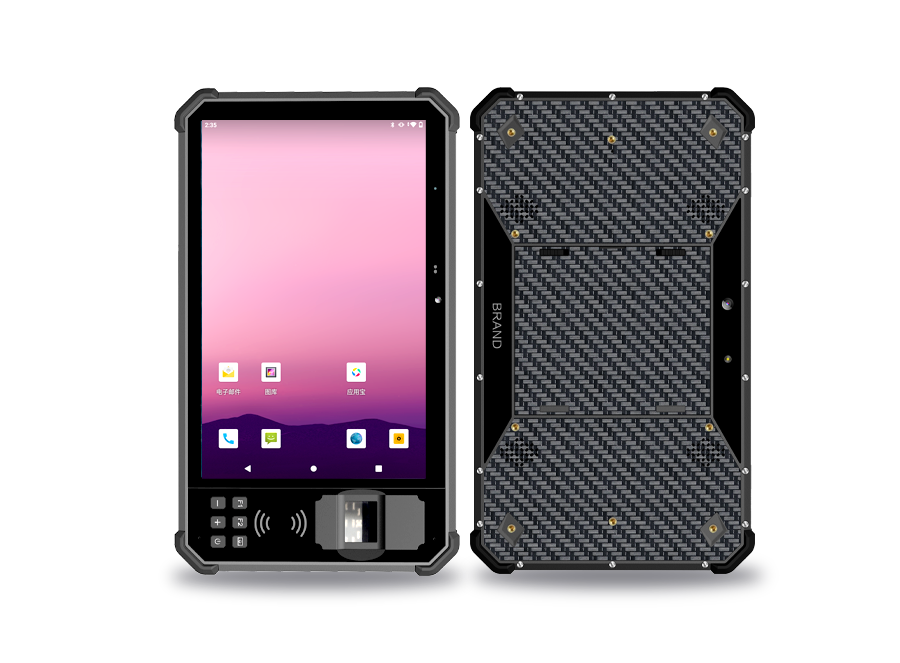
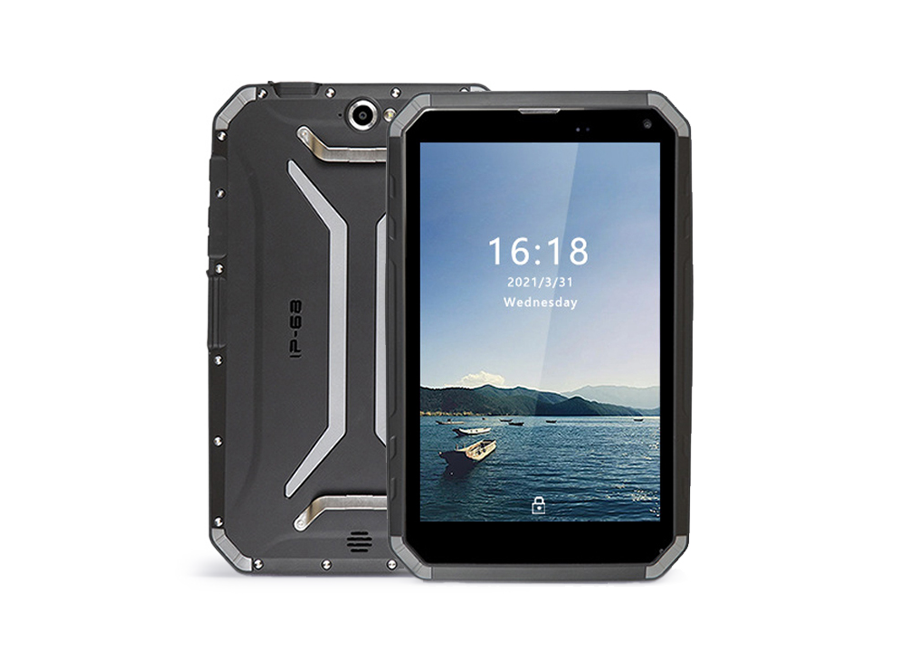
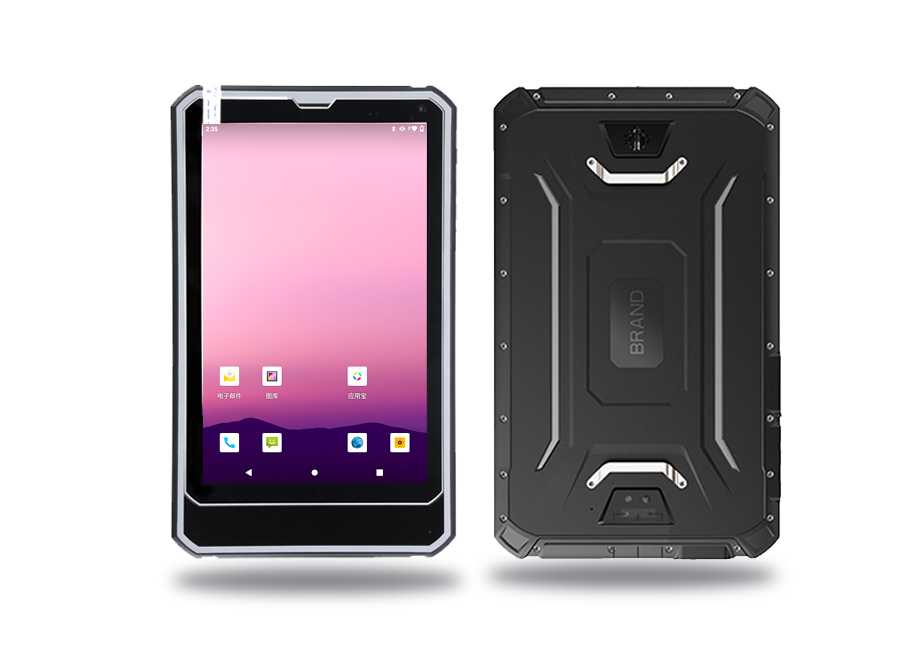
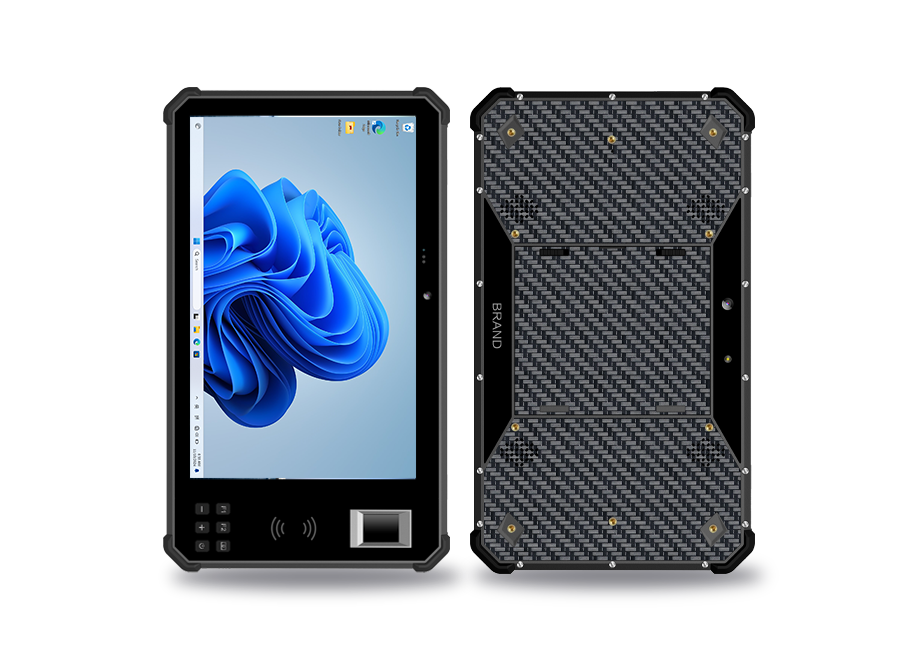
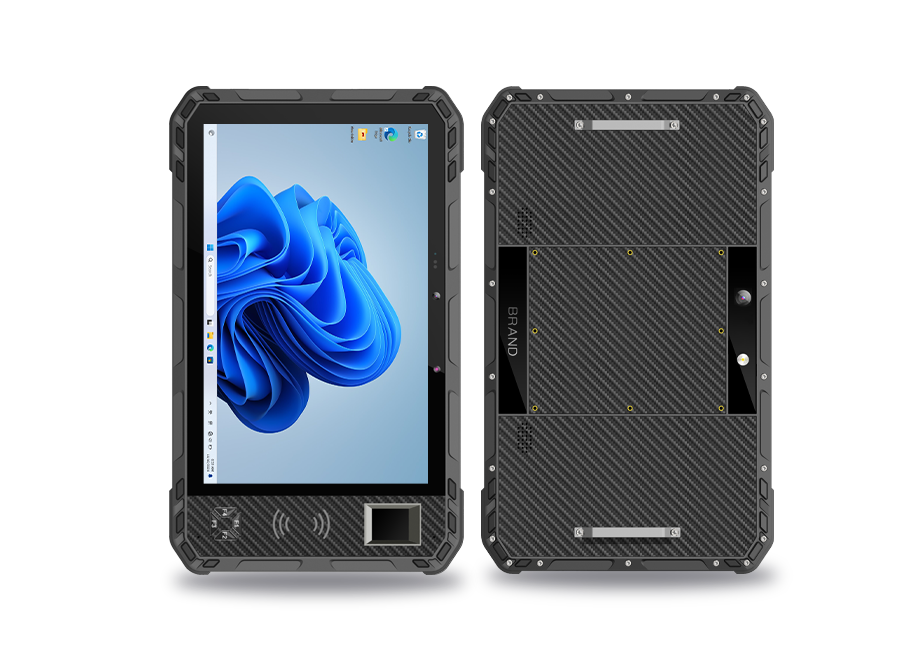
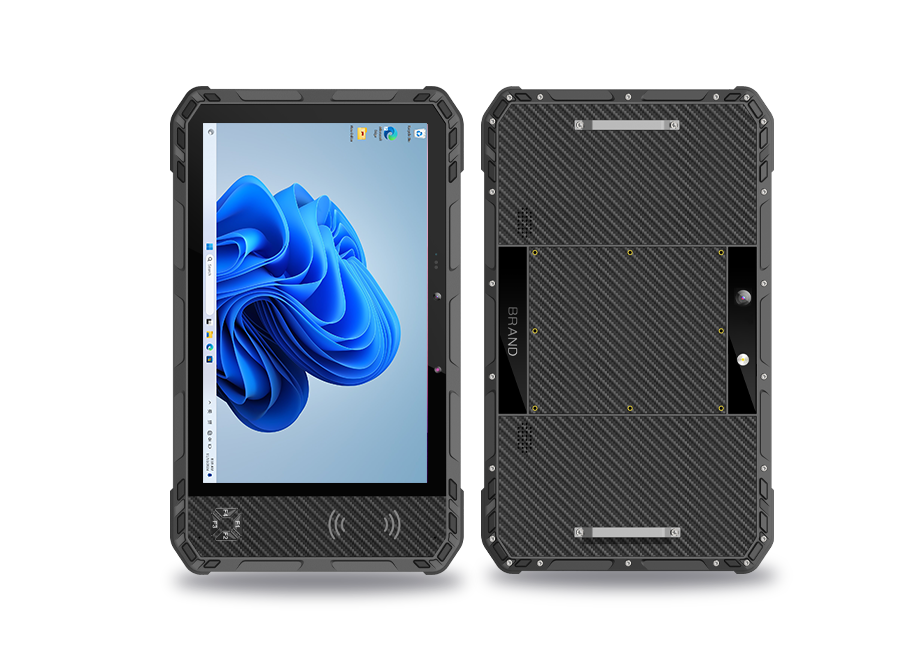
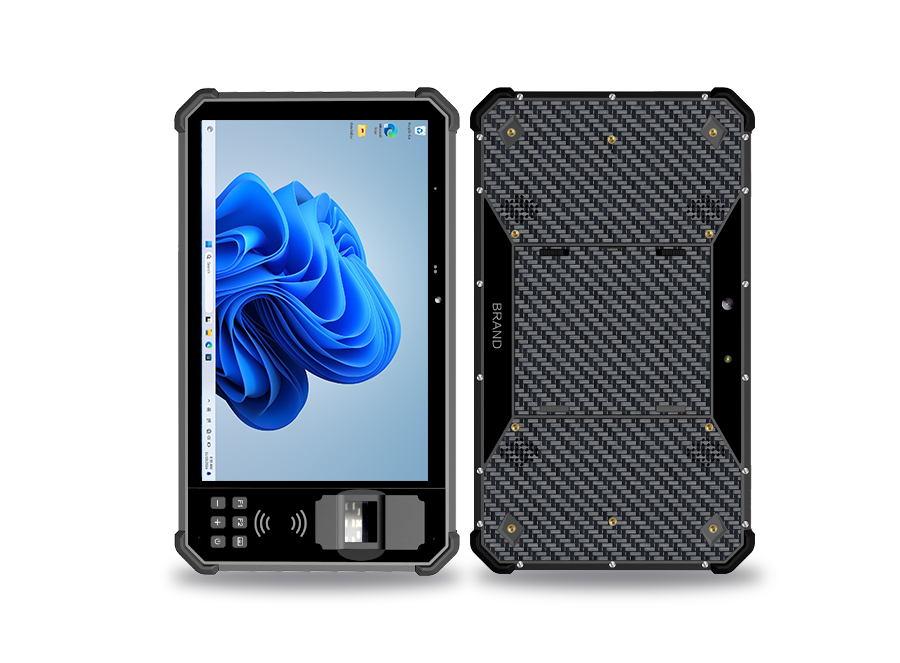
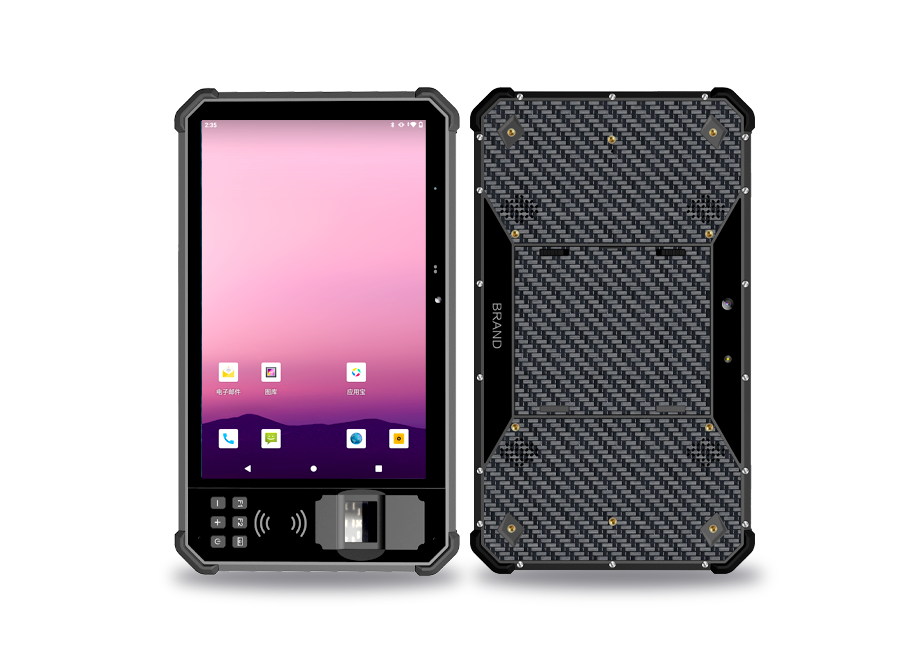
In winter, ordinary smartphones (like Apple phones) often automatically shut down in low-temperature environments due to the adverse effects of cold weather on their operation. So, what kind of phones can function normally in low temperatures? According to reports, three models from Lykonda's Q10 and Q8 series rugged tablets can still be used normally after testing at -40°C.
We all know that the operation of smartphones and tablets relies on battery power, and the key factor is whether the battery can function properly in low temperatures. Common battery types include lithium batteries, zinc-carbon batteries, and alkaline batteries, with lithium batteries being the most widely used. It is well known that batteries tend to lose power more rapidly in cold conditions.
Typically, phones use lithium polymer batteries, which generate current through chemical reactions. However, when the temperature is too low, phenomena like lithium metal deposition can occur, rendering the battery inactive and unable to discharge normally. In fact, the optimal operating temperature for lithium batteries is between 0°C and 45°C. When the temperature approaches 0°C, the efficiency of the battery decreases because the metal's resistance is reduced, affecting current flow. Conversely, at temperatures above 45°C, overheating increases resistance and impacts electron flow (Q=I*t). Cold weather can cause the metal components within the phone to have higher resistance, thus affecting performance.
Apart from influencing discharge, low temperatures also affect charging. Lithium-ion batteries are prone to lithium metal deposition at low temperatures, which can damage the battery's lifespan. Additionally, high temperatures in summer can also impact lithium-ion batteries, leading to shorter charge cycles, faster power consumption, and even damage from excessive heat.
It's noteworthy that Lykonda’s three models—both rugged tablets and smartphones—use “pure cobalt acid lithium” batteries. These batteries are highly resistant to low temperatures and can also significantly reduce power consumption, allowing devices to operate normally even in extreme cold environments. In fact, most domestic mobile phone manufacturers have yet to adopt this type of battery technology.
In summary, besides advancements in battery technology, the hardware design of the device also needs to be capable of resisting low temperatures to ensure stable operation in extreme environments.

Power's Might, Better World Insight


Receive the News from Lykonda
This website uses cookies to ensure you get the best experience on our website.